Crops & Growing Solutions

Comprehensive agronomic profiles, seasonal cycles, and rotational insights for major field crops and commercial vegetables.

Agronomic Profiles

Understanding Crop Biology & Field Dynamics

Every crop has distinct physiological requirements for water, heat units, day length, and soil nutrients.

Taking inspiration from established agricultural editorial literature, this section provides commercial growers with reliable reference profiles for key crops in our portfolio. Use these overviews to optimize crop rotations, select appropriate varieties, and plan fertility programs.

Quick Jump to Crop:
Field Maize Crop
Cereal Grain

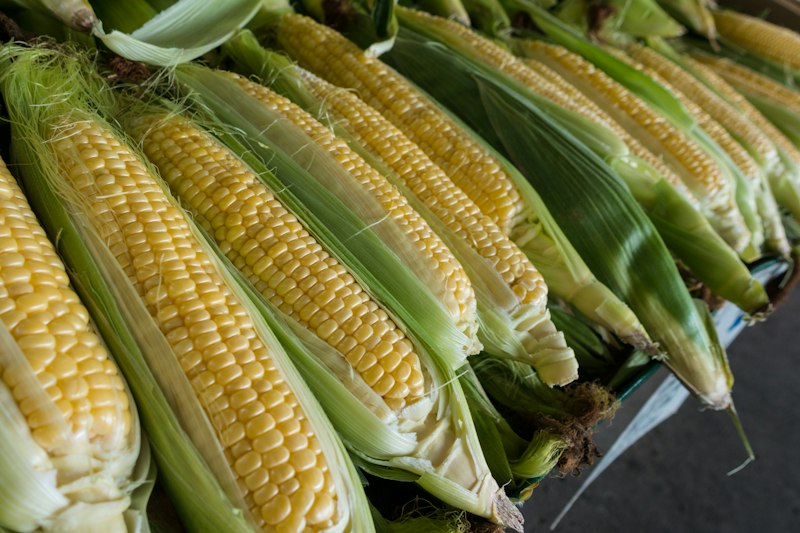
Commercial Field Maize

Zea mays

Primary Use: Commercial Grain, Starch Processing, and High-Energy Silage

Maize is the primary cereal pillar across global commercial grain zones. Achieving high yields requires synchronizing pollination with rainfall or irrigation and providing adequate nitrogen and phosphorus during the rapid V6-to-tasseling vegetative stage.

500 – 800 mm Moisture Target
pH 5.8 – 6.8 Soil pH Range
Spring / Summer Sowing Window
50k – 65k / ha Target Density
Critical Growth Stage: Tasseling & Silking

Moisture stress within 10 days before or after silking can desicate pollen grains and delay silk emergence, resulting in barren ear tips. Ensure steady root-zone moisture during this window.


Commercial Wheat Crop
Cereal Grain

Commercial Wheat

Triticum aestivum

Primary Use: Milling Flour, Baking Bread, and Semolina Extraction

Wheat is a cool-season cereal cultivated under both rainfed winter systems and irrigated spring regimes. Key quality parameters include high hectolitre test weights, strong falling numbers, and grain protein concentrations exceeding 12%.

350 – 650 mm Moisture Target
pH 6.0 – 7.5 Soil pH Range
Autumn / Winter Sowing Window
110 – 130 kg/ha Seeding Rate
Critical Management: Nitrogen Timing & Tillering

Split nitrogen applications between planting and early stem elongation (Zadoks 30) maximize productive tiller retention without encouraging weak-stem lodging.

Soybean Crop
Legume & Oilseed

Soybean

Glycine max

Primary Use: Edible Oil Extraction, High-Protein Animal Meal & Soil Enrichment

Soybeans represent an indispensable rotational broadleaf crop. Through symbiotic relationship with Bradyrhizobium japonicum bacteria, the crop fixes significant atmospheric nitrogen, reducing synthetic fertilizer requirements for following grain cycles.

450 – 700 mm Moisture Target
pH 6.0 – 7.0 Soil pH Range
Early Summer Sowing Window
320k – 380k / ha Target Density
Critical Management: Inoculation & Planting Depth

Soybean epigeal emergence pushes the large cotyledons above ground; sowing deeper than 4 cm in crusted soils severely impairs plant stand uniformity.

Sunflower Crop
Oilseed

High-Oil Sunflower

Helianthus annuus

Primary Use: High-Grade Vegetable Oil Crushing & Seed Cake Feed

With a deep-reaching taproot system capable of extracting moisture from down to two meters in the subsoil, sunflowers provide an exceptionally reliable cash crop in dryland cropping regions where moisture is the limiting factor.

350 – 600 mm Moisture Target
pH 6.0 – 7.5 Soil pH Range
Late Spring / Summer Sowing Window
35k – 45k / ha Target Density
Critical Management: Boron & Potassium Nutrition

Sunflowers have high boron requirements for pollen germination and head flowering. Deficiencies lead to poor seed set in the center of the head.

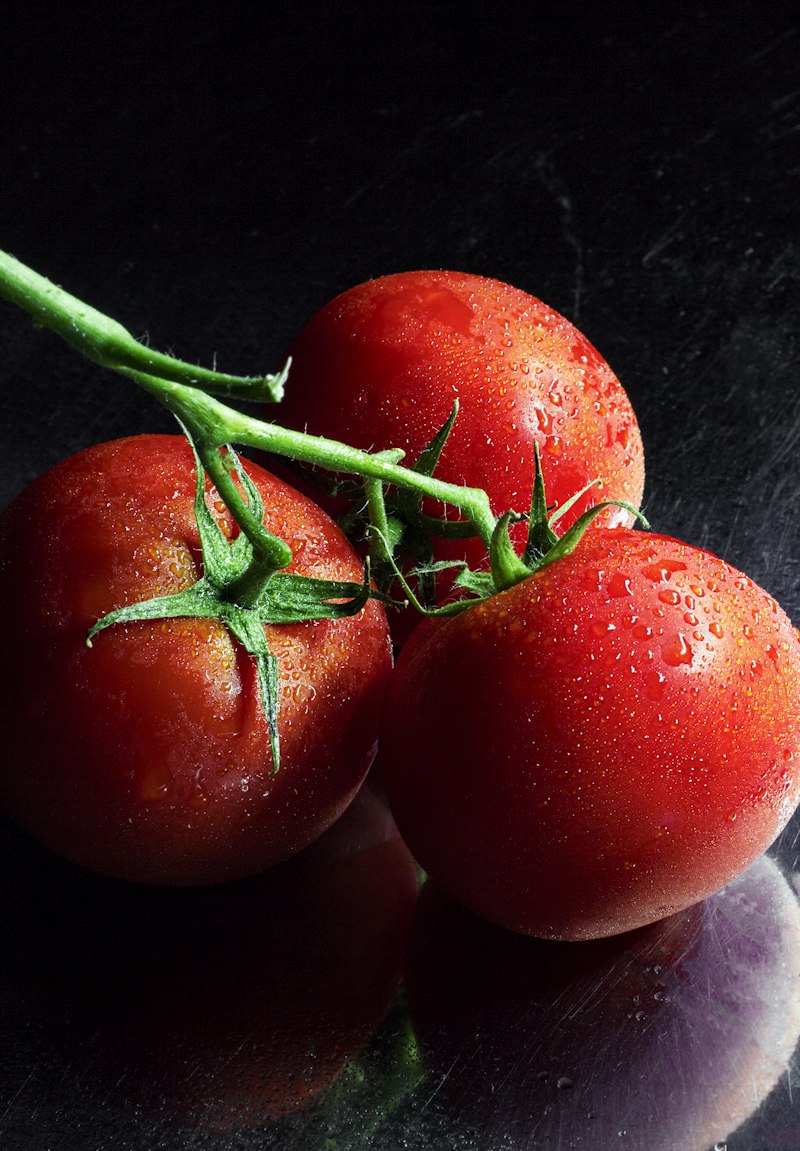
Field Processing Tomato
Horticulture

Processing & Fresh Market Tomato

Solanum lycopersicum

Primary Use: Fresh Supermarket Saladette Wholesale & Industrial Paste Canning

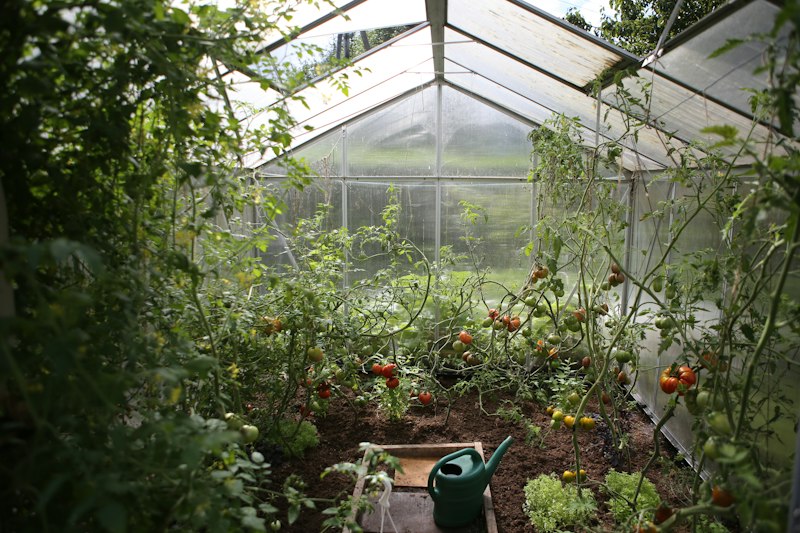
Commercial tomato cultivation demands precise management of fertigation, canopy disease scouting, and uniform fruit set. Determinate bush varieties concentrate their fruit ripening into a defined harvest window, reducing operational picking labor.

400 – 600 mm Moisture (Irrigated)
pH 6.0 – 6.8 Soil pH Range
Spring to Autumn Transplant Timing
22k – 28k / ha Plant Population
Critical Management: Calcium Translocation & Blossom End Rot

Maintain uniform soil moisture during rapid fruit swelling to facilitate continuous calcium uptake into distal fruit tissues.

Grain Sorghum Crop
Drought Cereal

Grain Sorghum

Sorghum bicolor

Primary Use: Livestock Compound Feed, Commercial Brewing & Flour Milling

Sorghum represents one of the most heat- and drought-tolerant grain crops in world agriculture. With physiological adaptations that allow plants to enter temporary dormancy during acute moisture deficits, it delivers reliable harvests where maize would fail.

300 – 550 mm Moisture Target
pH 5.5 – 8.0 Broad pH Tolerance
Early Summer Sowing Window
80k – 120k / ha Target Density
Critical Management: Seedbed Temperature

Sorghum requires minimum soil temperatures of 18°C at 5 cm depth. Sowing into cold soils delays emergence and exposes young seedlings to damping-off fungi.

Select the Optimal Varieties for Your Soil and Region.

Have questions about matching crop varieties to your regional growing degree days or soil drainage profiles? Consult our agronomy team.